On-site visual inspection
We check likely problem areas such as bathrooms, under sinks, around windows, attic access points, and HVAC returns, then map findings to building layout so sampling answers the right question.
Serving Houston, Texas & surrounding areas
Mon–Fri 8am–6pm · Sat 9am–2pm
Get clear, documented answers about what's in the air and on building surfaces, where it's coming from, and what to do next, based on sampling, lab analysis, and a careful on-site inspection.
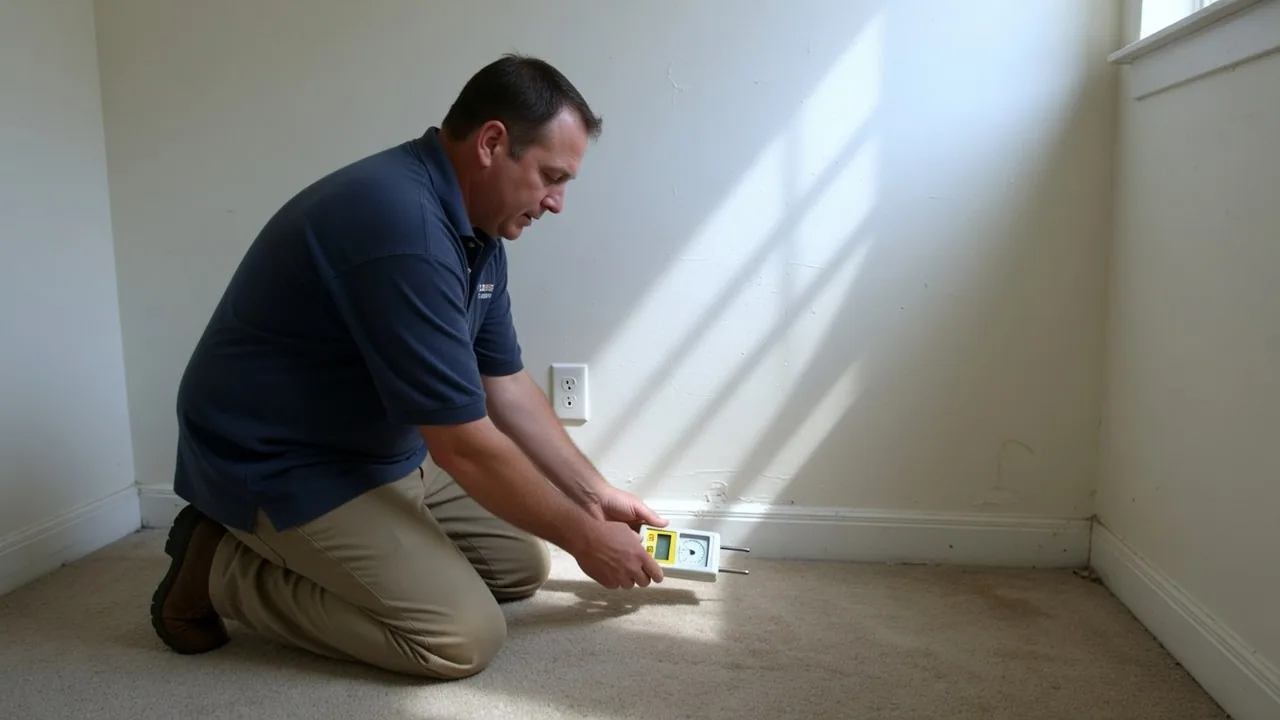
If you're noticing a musty odor, allergy-like symptoms indoors, recent water intrusion, or staining you can't explain, Houston mold testing is the fastest way to replace guesswork with evidence. Mold can grow behind drywall, under flooring, inside HVAC returns, and in other hidden cavities where you won't see it until it spreads.
At Houston Mold Removal, our mold testing in Houston starts with a building-science approach: we look for moisture sources first, then choose the right samples to answer the real questions. The result is a report you can use to make decisions with confidence: whether you need remediation, where to focus it, and how to verify conditions afterward.
Houston homes face long stretches of heat and humidity, and when that combines with a roof leak, plumbing leak, or condensation, mold can develop quickly. Testing is most useful when it's tied to a thorough inspection, targeted sampling, and lab results that are interpreted in context, not as a standalone number.
Mold testing Houston homeowners request most often falls into a few situations:
Testing is usually not the best starting point when visible mold growth is already extensive and the moisture source is obvious. In those cases, the priority is to stop the water, contain the area, and plan the cleanup scope. Sampling can still help if you need documentation, suspect multiple affected areas, or want a baseline for post-work verification.
If you're also deciding what happens after results come back, our team can explain how findings typically connect to containment, cleaning, and clearance-style verification, as well as the broader options for mold removal in Houston.
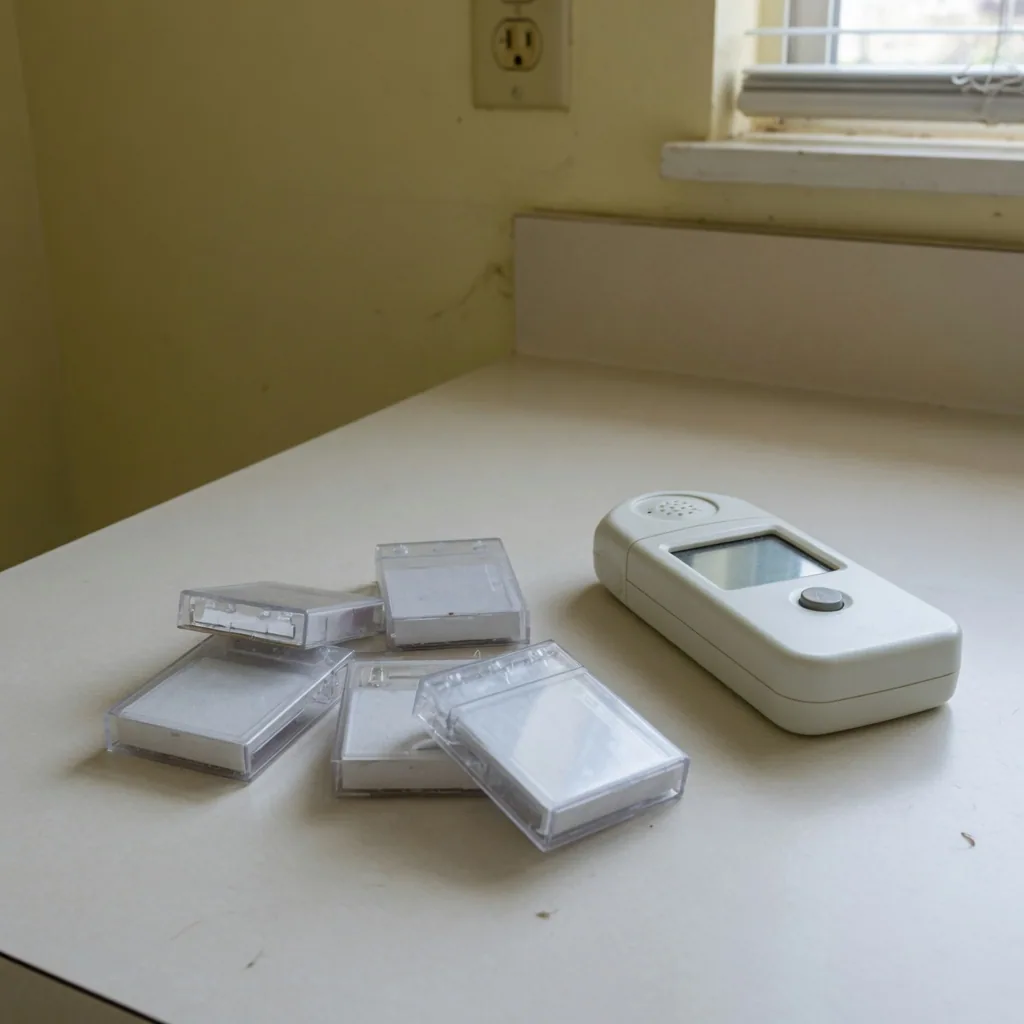
We check likely problem areas such as bathrooms, under sinks, around windows, attic access points, and HVAC returns, then map findings to building layout so sampling answers the right question.
A moisture meter and humidity readings help identify wet building materials and conditions that support growth. The goal is to connect mold concerns to the moisture source that feeds them.
Air samples can help compare indoor conditions to an outdoor control sample and identify whether spores are elevated in a specific room or zone.
If there's visible suspect growth, surface sampling can help confirm whether it's mold and support a documented scope for remediation.
Samples are submitted for microscopy-based analysis, with a chain-of-custody record and a written report that summarizes methods, locations, and results.
We walk you through what the findings mean in practical terms: likely source areas, immediate precautions, and whether professional remediation is warranted.
A targeted process connects your concerns to moisture conditions, appropriate samples, laboratory findings, and practical next steps.
You tell us what you're seeing or smelling, when it started, and any recent leaks, HVAC issues, or renovations. We use that to plan the inspection and likely sample types.
We look for water pathways and building conditions that drive growth, then take moisture readings in targeted areas. This step often determines whether air samples, surface samples, or both make sense.
We select sampling points based on layout and symptoms, not a one-size-fits-all count. Common strategies include an outdoor baseline plus samples in the complaint area and adjacent zones.
Samples are packaged and documented for lab analysis. When results return, we compile a report that ties findings to the inspection notes and sampling locations.
If results suggest a problem, we outline practical options: moisture correction priorities, whether containment is needed, and how to confirm the environment is back to normal after any work.
Mold testing in Houston typically ranges from about $250 to $750 for most homes, depending on the size of the property, the number of rooms being evaluated, and how many samples are needed. A focused inspection with a small set of air or surface samples is often on the lower end, while larger homes or investigations that require multiple zones and additional sampling run higher.
Your final price depends on access to attics or crawlspaces, whether an outdoor baseline sample is needed, how many distinct areas you want evaluated, and what kind of documentation you need for real estate or insurance situations. Exact cost is confirmed after the on-site inspection and sampling plan are set.
Mold testing isn't the same everywhere. In Houston, long periods of high humidity mean we pay close attention to indoor relative humidity and condensation risk, especially around supply vents, exterior walls, and poorly ventilated bathrooms.
We also adjust the inspection to common building types across the city:
Neighborhood by neighborhood, the building style changes, which changes where we look. Homes around The Heights include a mix of older structures and remodels where previous water events may be concealed behind newer finishes. Montrose has many older homes and multi-unit buildings, where shared walls and older plumbing can complicate source tracing. In West University Place, higher-efficiency HVAC systems can still create condensation issues if airflow and humidity control aren't balanced. In Spring Branch, a wide range of construction eras means we tailor sampling to the specific layout and renovation history.
No matter where you are in the metro, the most useful test is the one that answers a decision: whether to remediate, where to open up, and how to document conditions before and after work.
Call Now 832-990-0483Most on-site mold testing appointments take 30 to 90 minutes, and lab results commonly return in a few business days. Timing depends on how many areas we need to inspect, how accessible the suspect locations are, and how many samples are collected.
You need the sample type that matches the question you're trying to answer: air samples help evaluate airborne spores in specific rooms, while surface samples help confirm whether a visible spot is mold. In many Houston investigations, we use both when there's an odor complaint plus a specific suspect area.
In most cases, you can stay home during the inspection and sampling because it's non-destructive and doesn't involve chemical fogging or demolition. If someone in the home has severe asthma, immune suppression, or strong mold sensitivity, it may be more comfortable to stay out of the immediate sampling areas until we're finished.
Testing can point to likely source areas, but identifying the cause depends on the moisture investigation during the inspection. The most reliable answers come from combining moisture readings, visual clues, building layout, and results compared with an outdoor baseline sample.
Yes, we can evaluate mold concerns tied to HVAC by inspecting returns and supply areas, checking for condensation and moisture, and sampling in zones where symptoms are strongest. HVAC-related issues in Houston often come down to humidity control, airflow balance, or localized condensation.
If you have obvious visible growth, the immediate need is usually moisture correction and a proper remediation plan, not proof that the growth is mold. Testing is still useful when you need documentation, suspect multiple areas, want to confirm what you're looking at, or are planning post-remediation verification.
Yes, we provide written documentation of the inspection, sampling locations, and lab results, which is often what property managers and real estate transactions require. Tell us up front if you need the report formatted for a specific decision deadline so we can plan sampling and turnaround accordingly.
Share what you're noticing and where it's happening. We'll recommend the right inspection and sampling approach, then deliver a clear report you can use to decide the next step.