Attics after roof leaks
Slow roof leaks can wet decking and insulation without obvious ceiling stains at first. Once insulation stays damp, mold can spread across wood framing and paper facings.
Serving Houston, Texas & surrounding areas
Mon–Fri 8am–6pm · Sat 9am–2pm
If you smell something musty, see staining, or had a recent leak, we will inspect the area, confirm what is actually growing, and remove it with proper containment so it does not spread through your home.
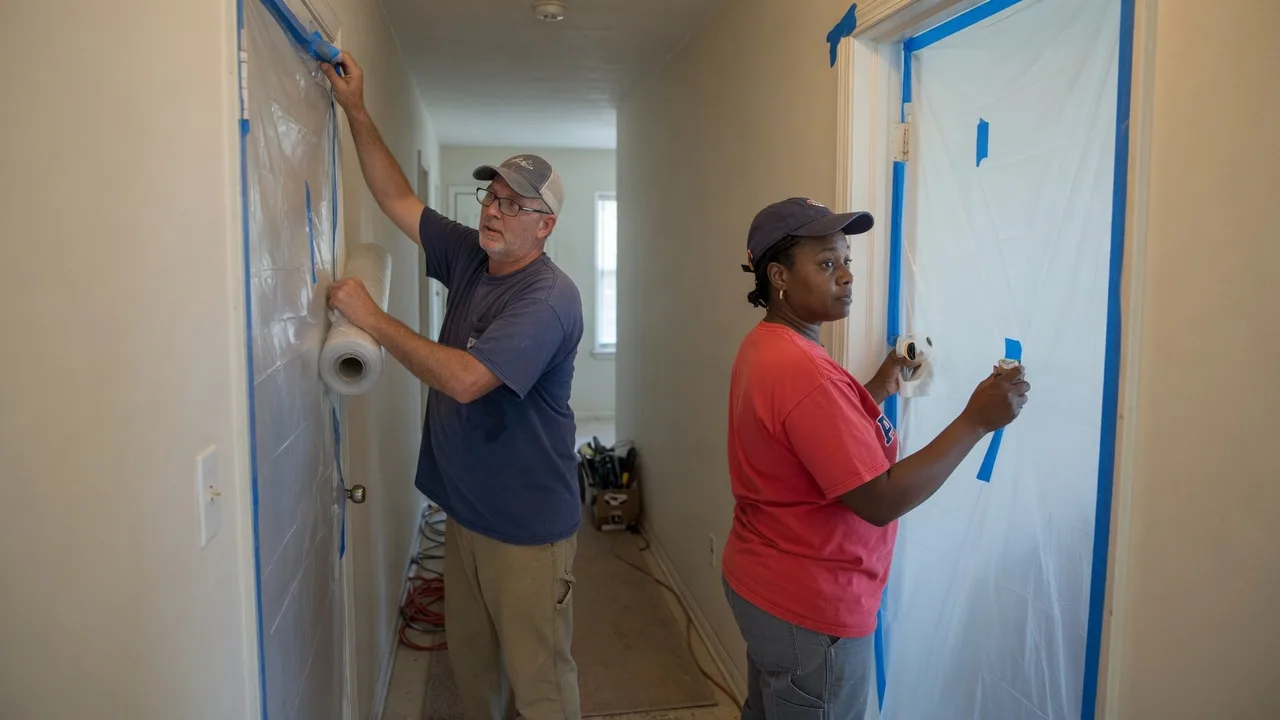
Mold remediation is a controlled cleanup process, not a wipe-down. If the moisture source is still present, mold tends to return even after surface cleaning.
Houston's humidity and frequent heavy rain make it easy for small water problems to turn into bigger ones, especially in places that stay dark and damp like wall cavities, under sinks, around HVAC closets, and behind baseboards. We focus on three things: (1) identifying the wet materials and how they got wet, (2) containing and removing contaminated materials safely, and (3) drying and documenting conditions so you can move forward with repairs.
Houston Mold Removal handles residential and light commercial mold remediation in Houston, TX. If you are trying to decide whether you need professional help, a good rule is this: if growth is on porous materials such as drywall, insulation, or carpet pad, if the area is larger than a small patch, or if anyone in the home has symptoms that flare up around the affected area, it is worth getting a proper inspection and a written scope.
A real remediation plan is built around how mold spreads: spores move on air currents, disturbed dust, and contaminated materials. That is why the work area is isolated and put under negative pressure before removal starts.
Typical components of a remediation project include:
If you are comparing options, ask for a written scope that spells out containment, equipment, what gets removed, and how drying is verified.
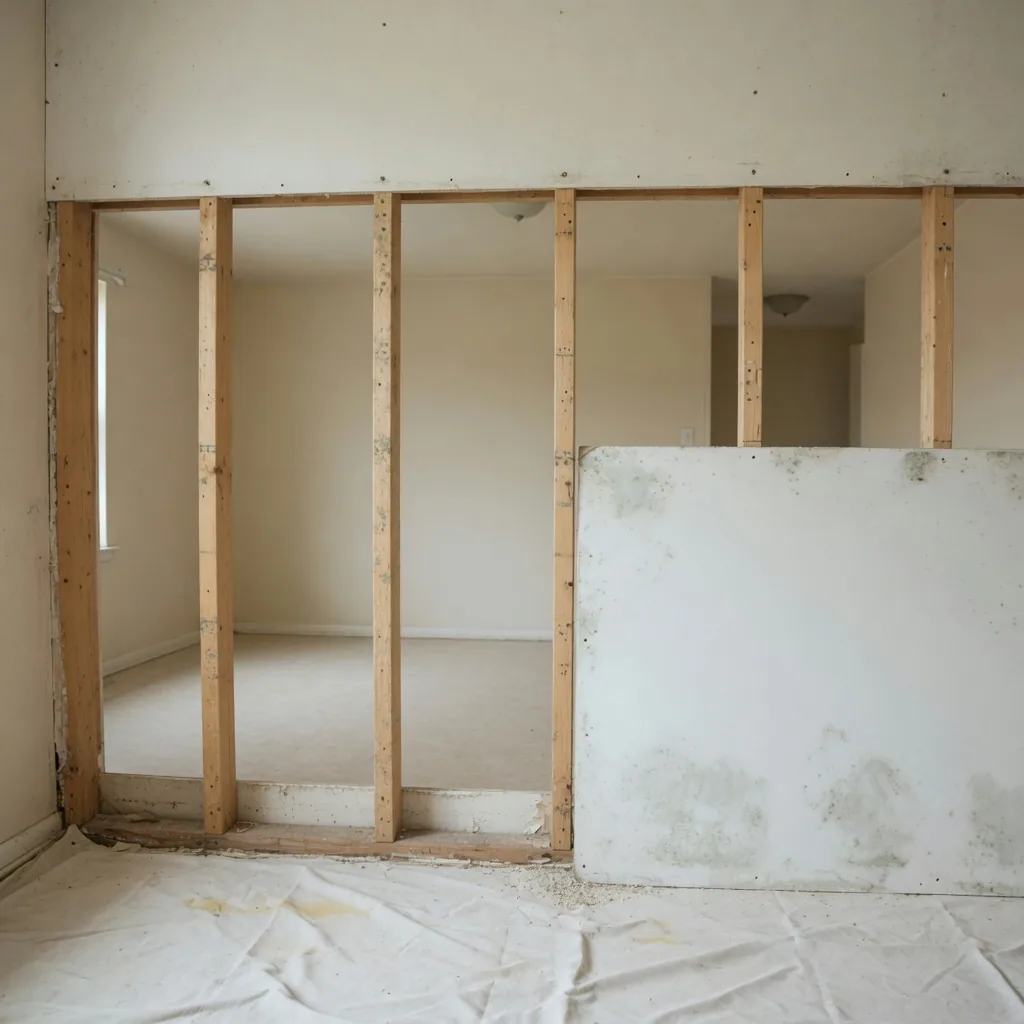
Slow roof leaks can wet decking and insulation without obvious ceiling stains at first. Once insulation stays damp, mold can spread across wood framing and paper facings.
Supply line drips and drain leaks are often hidden until cabinets swell or odors show up. Remediation may require removing toe-kicks, drywall behind cabinets, or wet insulation.
Condensation, clogged drain lines, and past overflow can keep the area damp. We treat this as both a moisture issue and a contamination issue, with careful containment.
Humid air and ground moisture can drive chronic dampness under the home. Solutions often involve targeted removal plus drying and moisture control planning.
Even when surfaces look dry, the back of drywall and insulation can stay wet. We use moisture mapping to determine what should be opened and removed.
A controlled sequence limits cross-contamination, confirms drying, and leaves you with clear next steps for repairs.
We identify affected materials, likely moisture sources, and what needs to be contained. You get a clear scope describing what gets removed, what gets cleaned, and what drying is expected.
We isolate the work zone with plastic barriers and establish controlled airflow with HEPA filtration so disturbed particles stay inside the work area.
Porous materials with growth or water damage are carefully removed, bagged, and taken out through a protected pathway to limit spread through the home.
We HEPA vacuum and wipe down framing and hard surfaces. Where appropriate, we apply antimicrobial products per label directions and best practices.
We dehumidify and dry the area, then re-check moisture levels. If you are planning repairs, this documentation helps confirm the space is ready to close back in.
We walk the finished area with you and coordinate clearance testing if requested. After remediation, rebuild work such as drywall, paint, and cabinetry can proceed on a clean, dry foundation.
Mold remediation in Houston typically ranges from about $1,500 to $6,500+, with small, contained areas on the lower end and larger projects that involve demolition, multiple rooms, or HVAC-adjacent contamination on the higher end. A localized under-sink or small wall cavity may fall around $1,500 to $3,000, while whole-room remediation with significant drywall and insulation removal often lands in the $3,500 to $6,500+ range.
Final cost depends on the size of the affected area, what materials are contaminated, access, the level of containment required, drying needs, and whether prior work spread contamination. Exact pricing is confirmed after an on-site inspection and written scope.
If you are smelling musty odors, seeing recurring spots, or dealing with a recent leak, get an inspection and a written remediation plan before you start tearing anything out.
Call Now 832-990-0483In many cases we can schedule an inspection quickly and then begin remediation as soon as the scope is approved, because timing matters when materials are damp in Houston's humidity. The start date mainly depends on access to the affected areas, whether containment can be set safely, and whether drying equipment needs to run before removal.
Drywall and insulation usually need to be removed when they are mold-contaminated because they are porous and hard to clean thoroughly. We confirm what is affected during inspection and use containment and HEPA filtration during demolition to keep dust and spores from spreading to clean parts of the home.
Bleach can lighten staining on some hard surfaces, but it does not solve the underlying moisture problem and it is not a complete remediation method for porous materials. If drywall, insulation, carpet pad, or framing is involved, professional removal, HEPA cleaning, and drying are usually the safer path.
We look for the moisture source as part of the remediation scope because cleanup without moisture control tends to fail. We commonly see plumbing leaks, roof leaks, condensation issues, and HVAC drain problems; if a specialized trade is needed for the repair, we will note what needs to be addressed so remediation is not repeated.
Many smaller projects take 1 to 2 days of active work, while larger jobs can take several days, especially when drying time is needed between steps. The timeline depends on how much material must be removed, how wet the structure is, and whether multiple areas need separate containment.
Often yes, as long as the affected area can be contained and there is a safe path for debris removal and equipment placement. We will talk through who is in the home, any sensitivities, and whether temporary relocation makes sense based on the location and extent of the work.
Tell us what you have noticed and where it is showing up. We will schedule an inspection, explain the containment and removal steps, and provide a written scope for mold remediation in Houston, TX.